

Dogs
Dog Chew Toys That Last: What to Buy by Chew Style
Buy for how your dog chews, not for how tough the packaging claims to be. And apply the thumbnail test before anything goes in a mouth.
6 min read
The Kindral shop
Toys fail for two reasons: they break in a week, or the animal ignores them by Thursday. Both are avoidable. A dog toy has to match how your dog destroys things, and a cat toy has to move the way prey moves. Everything below is grouped by that, not by what looks good in a photo.
22 products
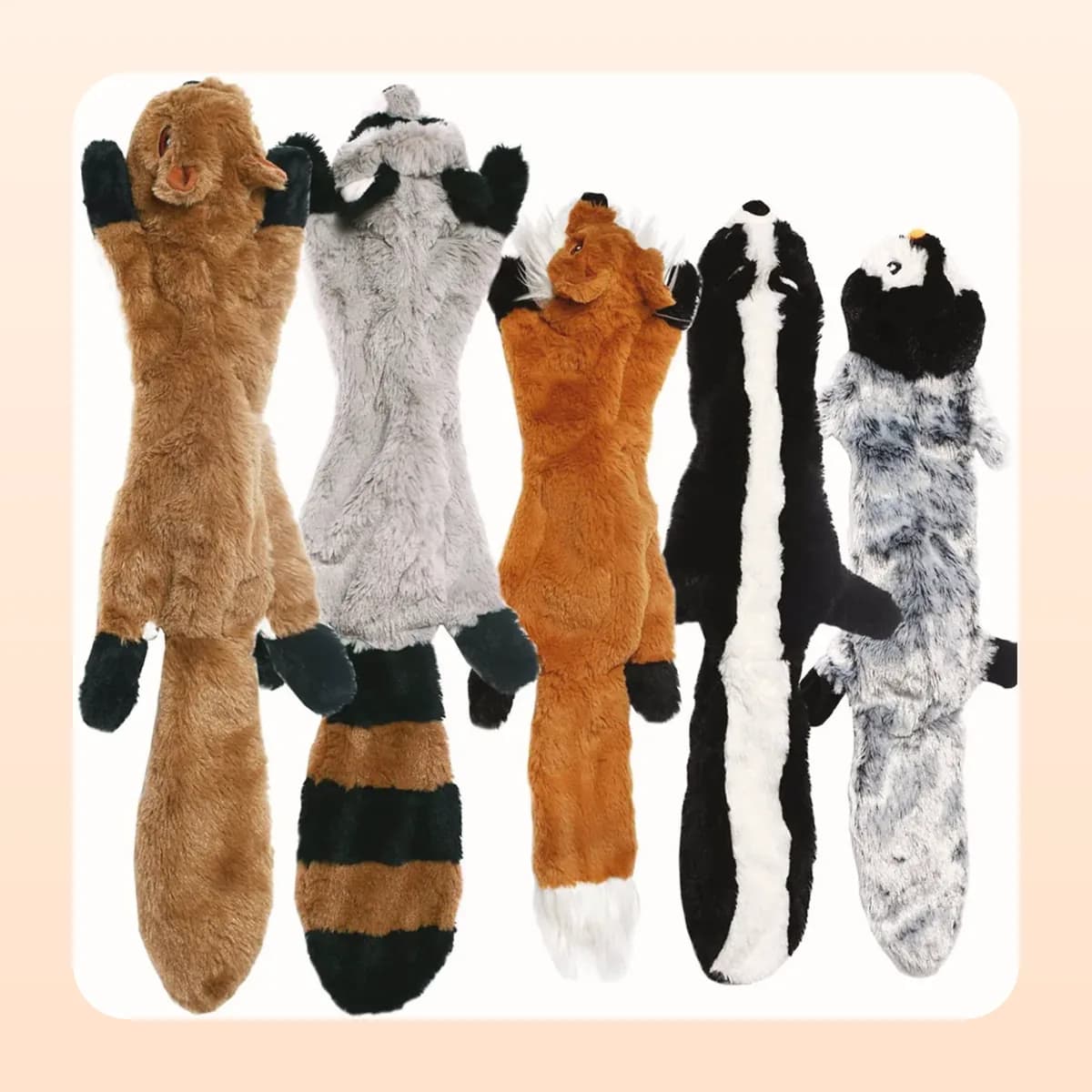
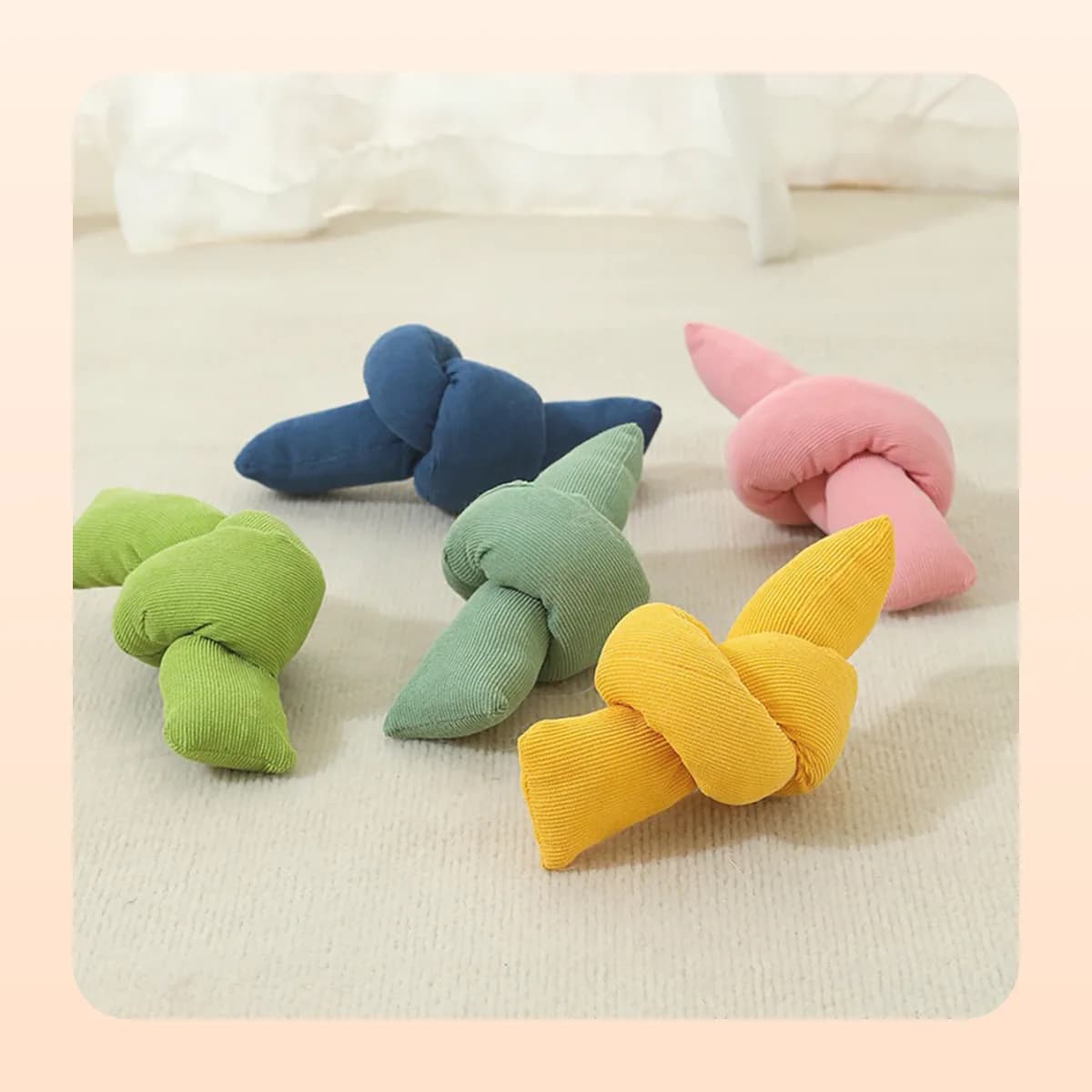
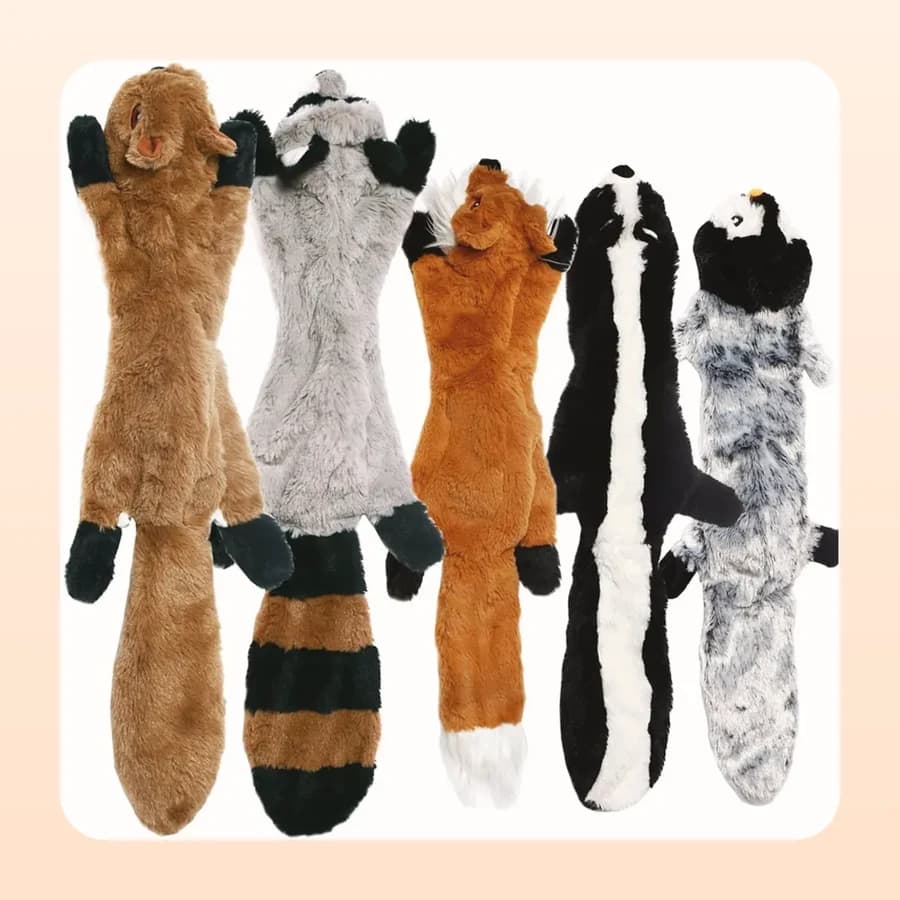
Most dog toy disappointment comes from buying for the wrong job. A dog that carries and squeaks needs something soft with a decent squeaker; a dog that grips and shakes needs stitching that runs across the seam rather than along it; a dog that lies down and grinds needs solid rubber and nothing else. Give a grinder a plush toy and you will be picking stuffing off the carpet within the hour, which is a mess rather than a danger, and give a gentle carrier a hard rubber block and it will sit untouched.
Watch your dog with a toy for five minutes and the category is obvious. Note whether the first instinct is to squeak it, shake it, or take it to a corner and settle. That single observation predicts what will last far better than a size guide.
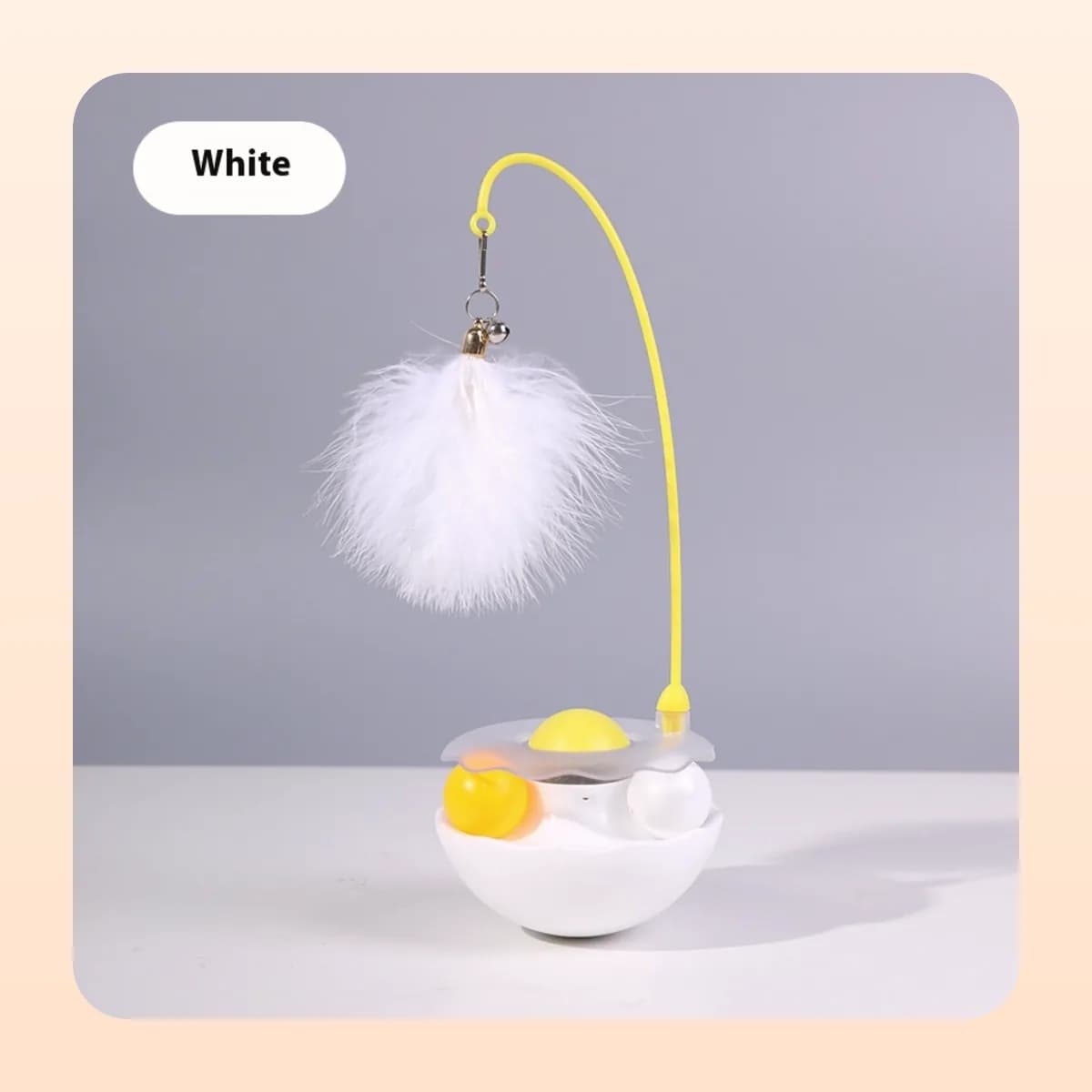
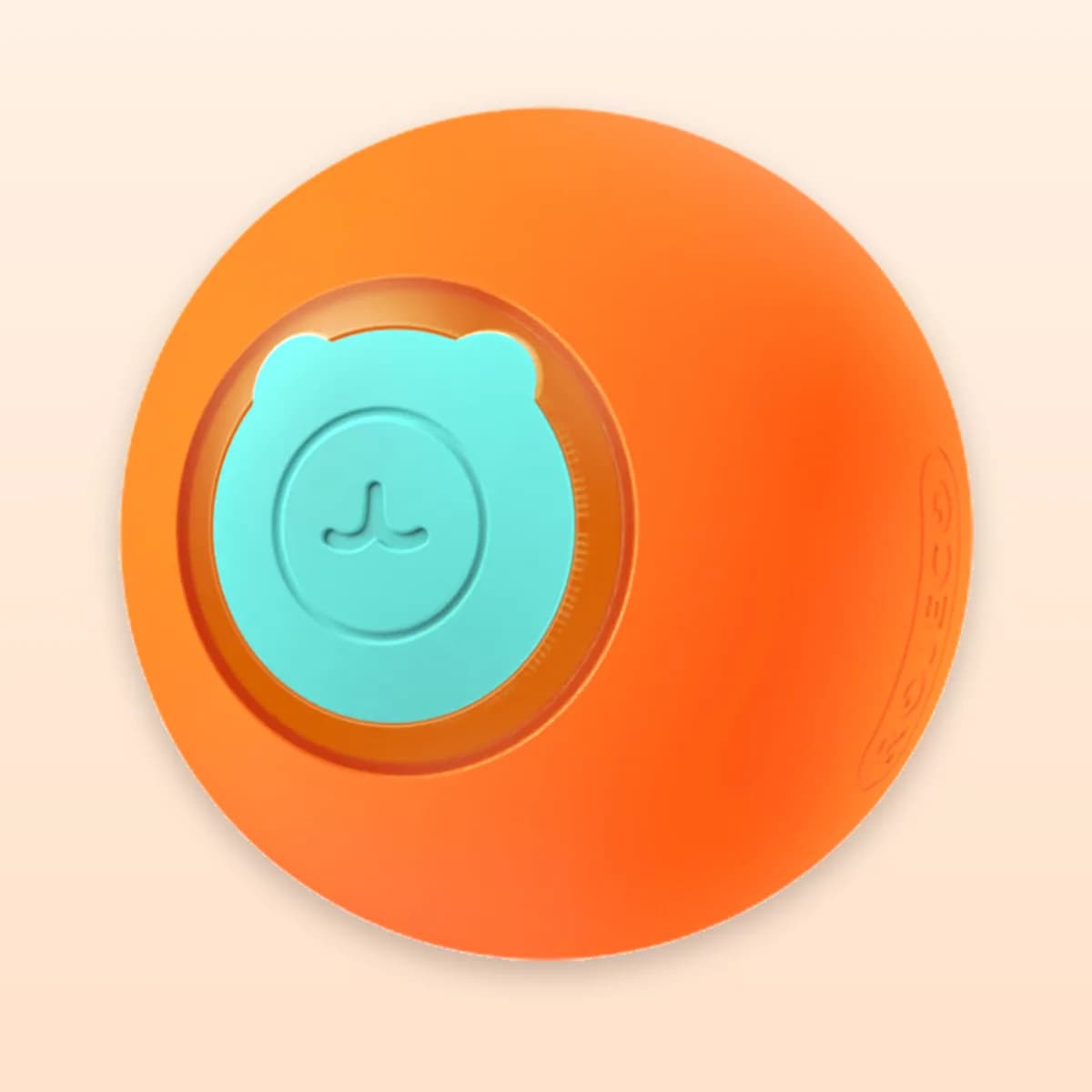
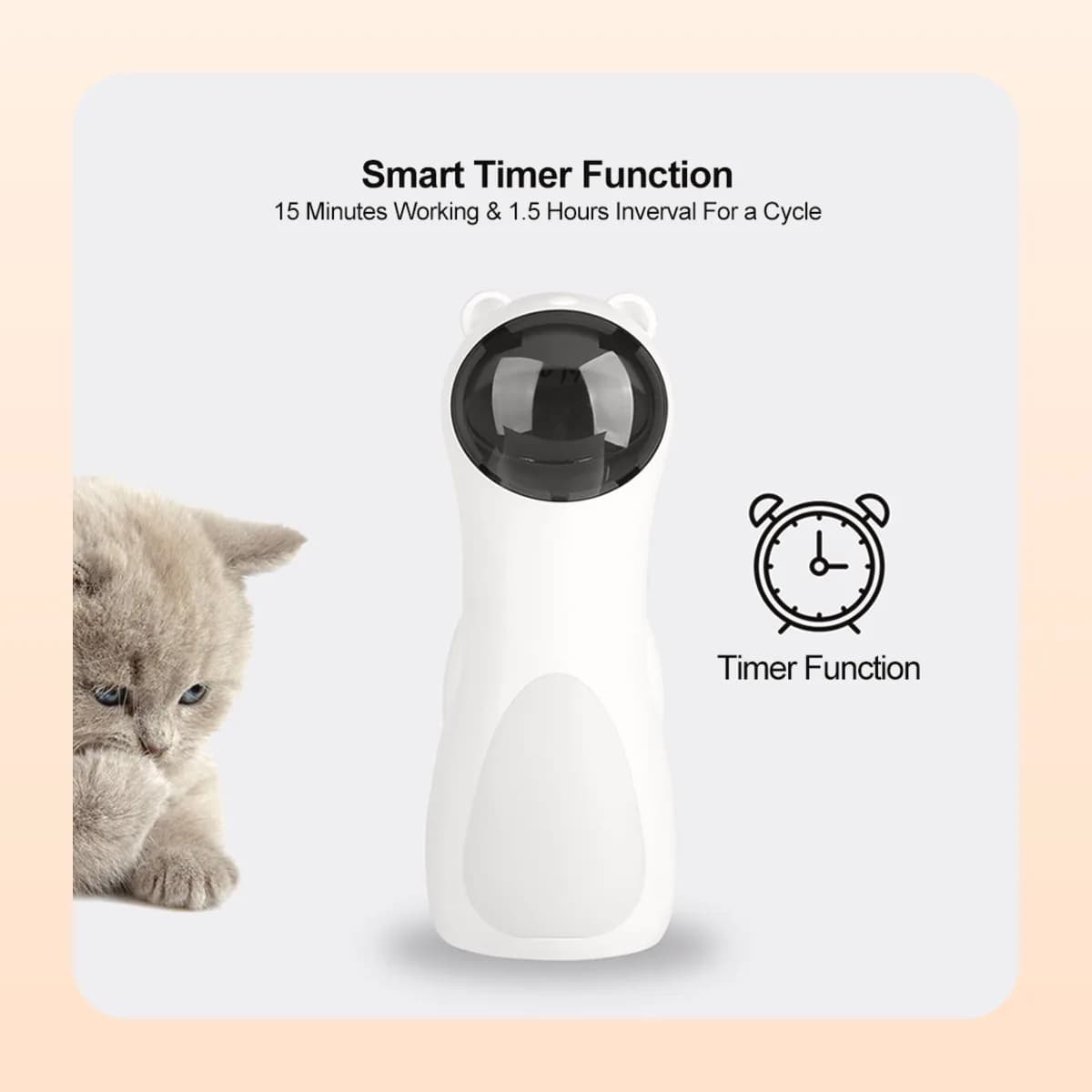
A cat hunts in short bursts: stalk, pounce, catch, walk away. Toys that run continuously skip the catch, so the cat loses interest once it works out the thing can never be won. The toys that keep working are the ones that stop: a wand you can let fall, a weighted tumbler that rights itself and then goes still, a ball that rolls to a halt somewhere odd.
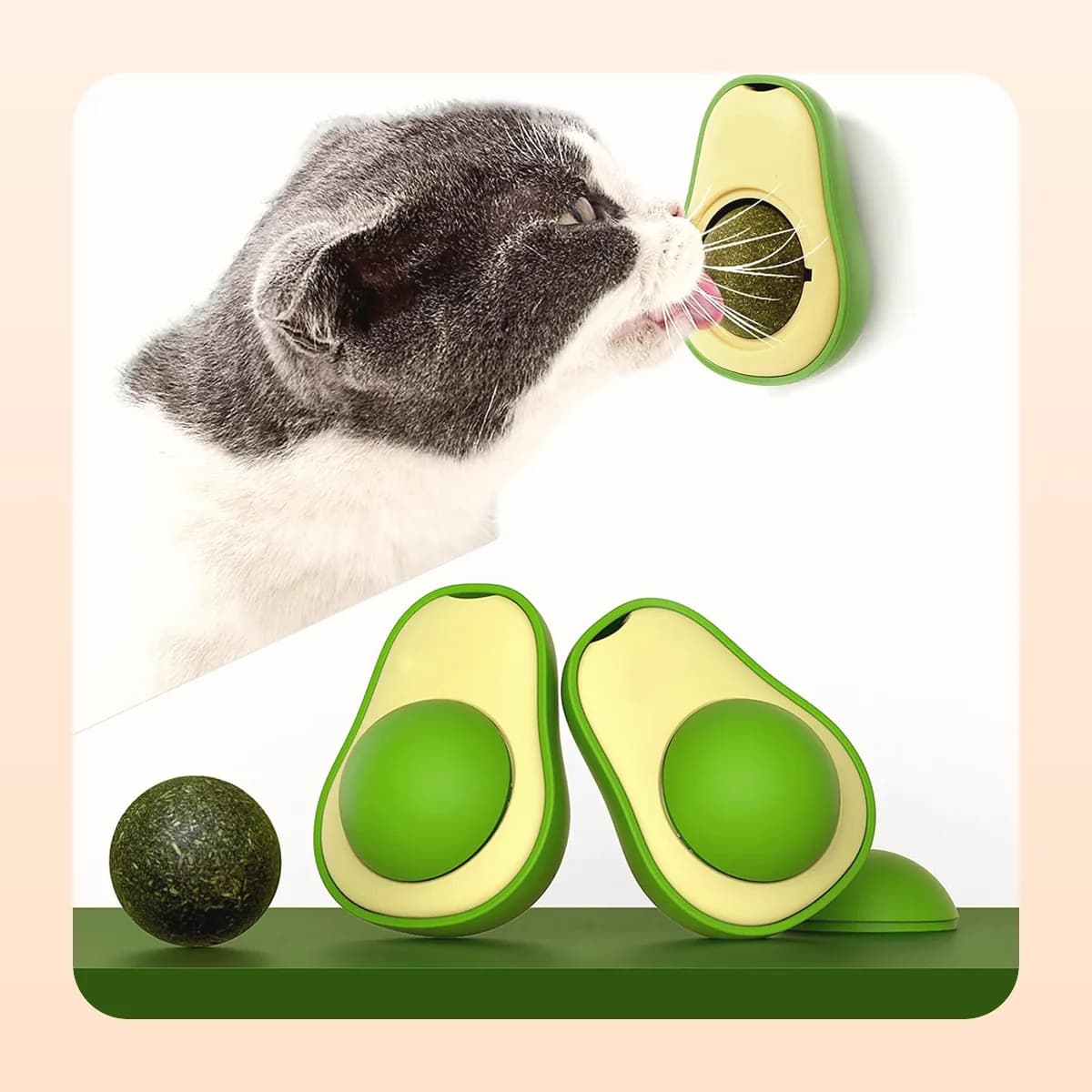
Rotation matters more than quantity. Four toys in a drawer, swapped weekly, hold attention better than a basket of twelve permanently out. Catnip helps roughly two cats in three, and silvervine is worth trying on the third.
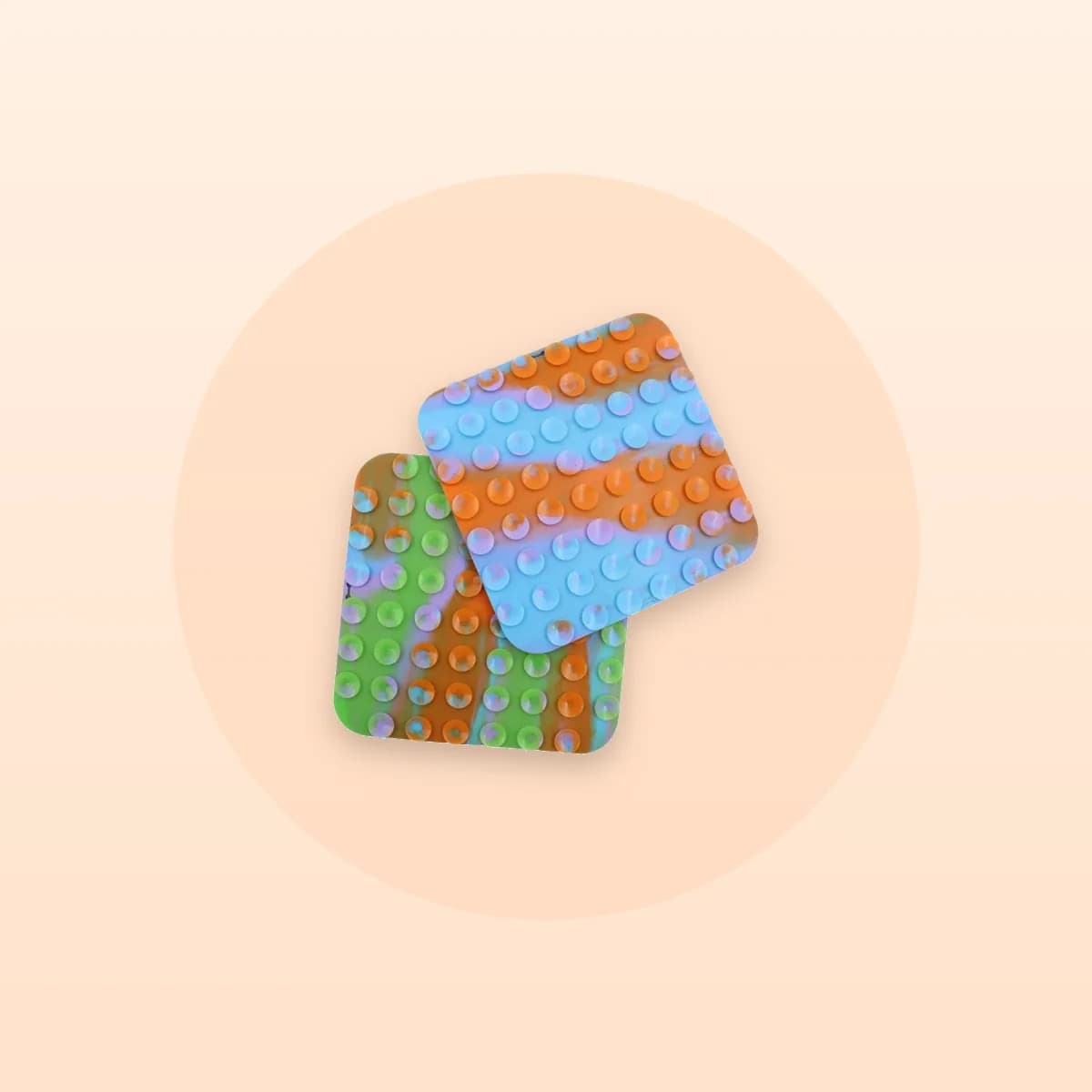
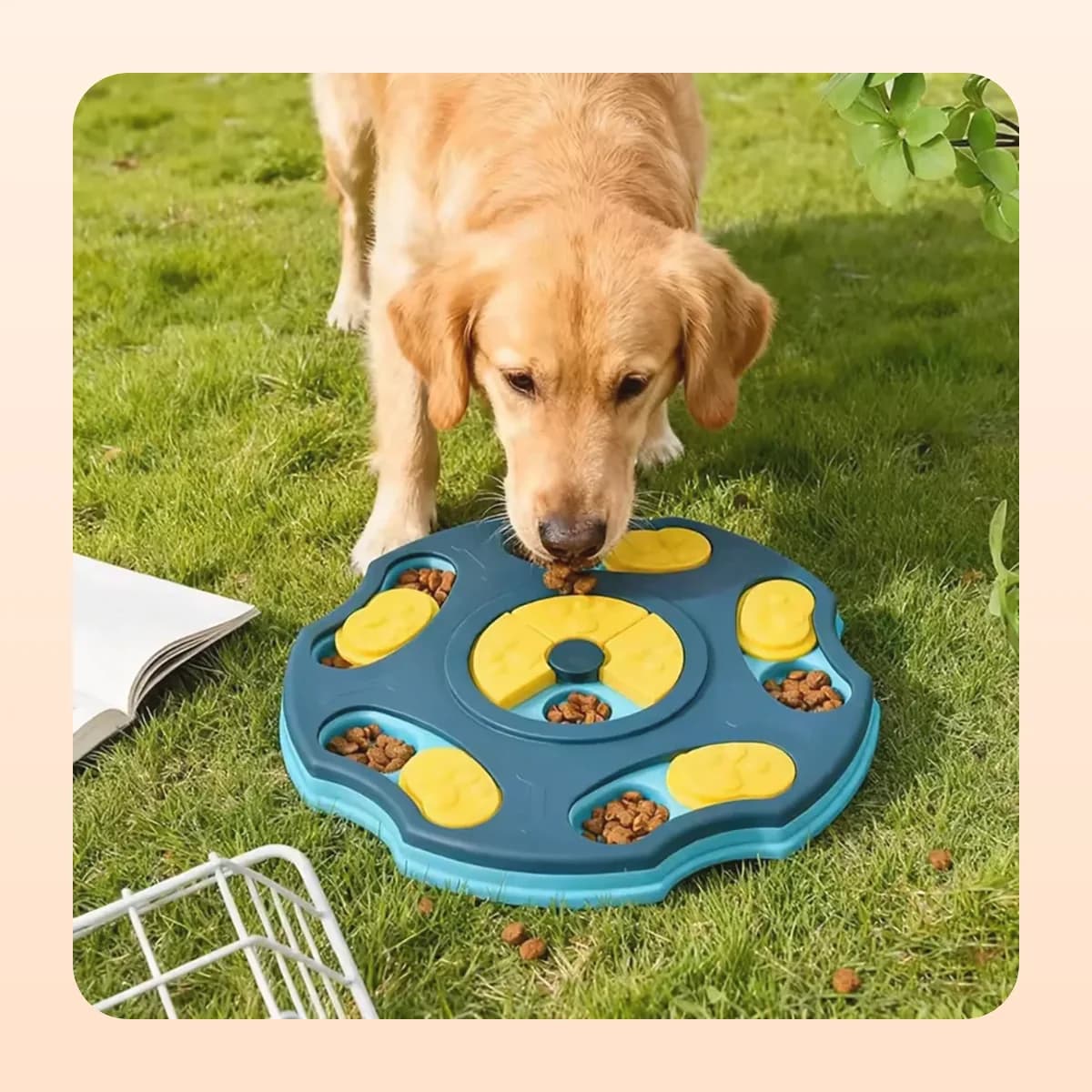
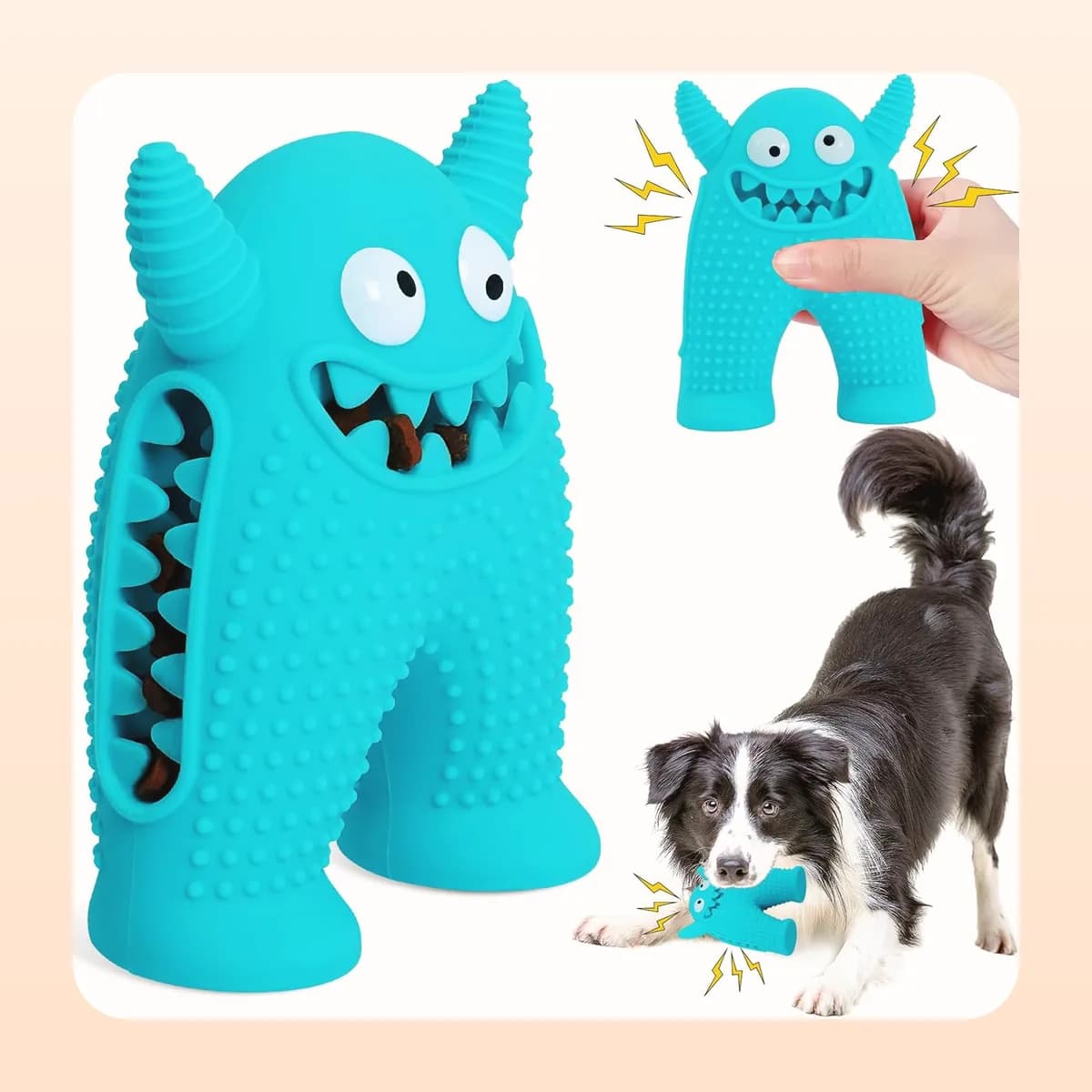
A slow feeder or treat dispenser does two jobs at once: it occupies the animal and it slows eating. For a dog that bolts food or a cat that is indoors all day, moving one meal a day into a puzzle is the cheapest behavioural improvement available. Start it easy enough to be solved in under a minute, or the animal gives up and you conclude it does not like puzzles.
Three or four at a time, rotated weekly. Leaving everything out permanently makes all of it invisible; putting most of it away and swapping restores novelty at no cost.
No, and treat any product claiming otherwise with suspicion. Aim instead for solid rubber with no seams and no squeaker, supervise the first few sessions, and accept that a determined power chewer is buying a consumable.
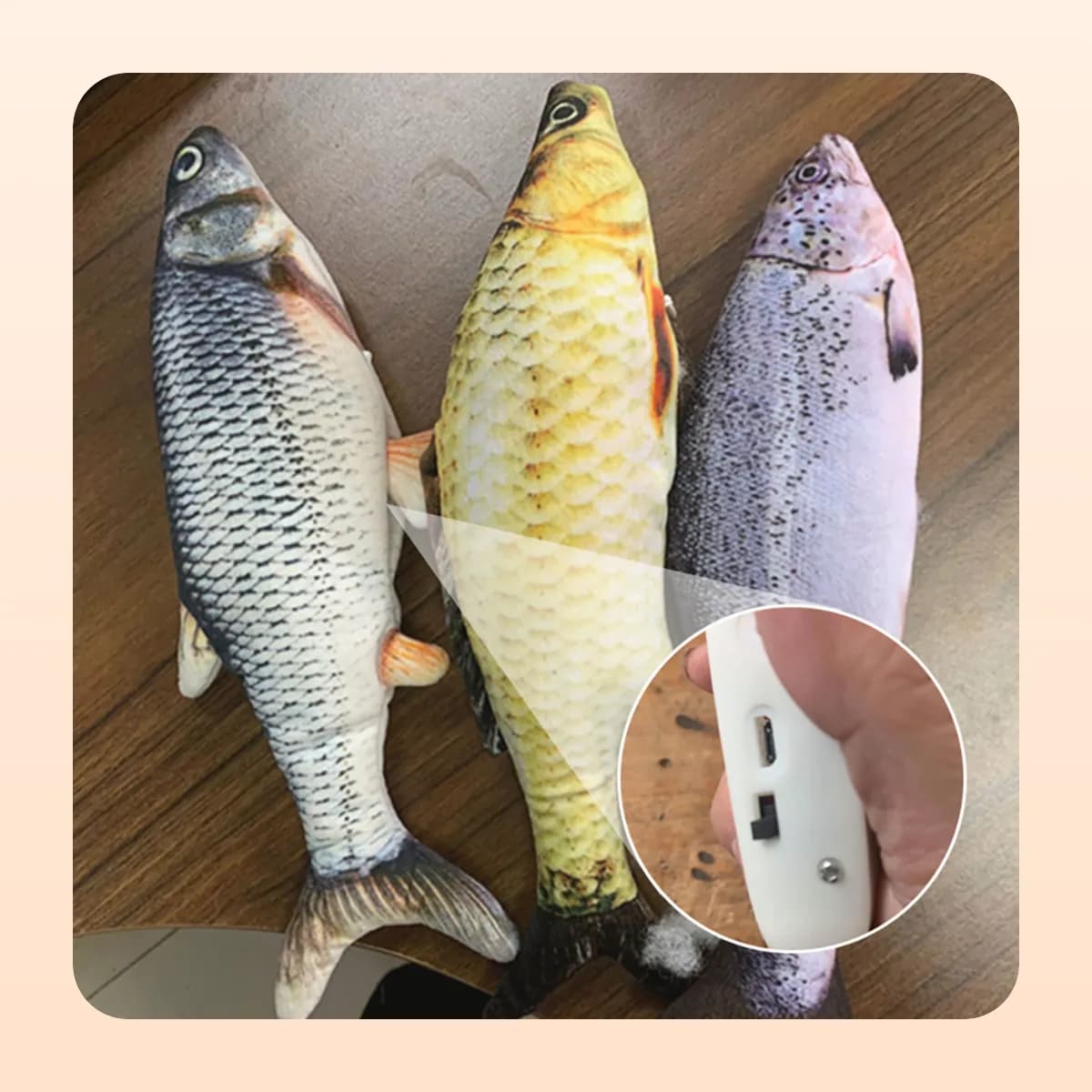
Usually the toy is being left on the floor rather than played with. Cats respond to movement you create, so ten minutes with a wand that ends in a catch will beat any self powered toy. If catnip does nothing, try silvervine.
The squeaker itself is a choking risk once it is out, so a squeaky toy is a supervised toy. Dogs that hunt the squeak specifically should be given no stuffing or solid rubber alternatives instead.
Buy for how your dog chews, not for how tough the packaging claims to be. And apply the thumbnail test before anything goes in a mouth.
6 min read
Scratching isn't a bad habit, it's maintenance and marking. The job is redirecting it, and most posts fail on two specifications.
6 min read
Last reviewed 30 August 2026