Birds
What to Feed a Pet Bird (Seed Is Not Enough)
Most pet birds are fed a diet that shortens their lives, and it's the one sold in every pet shop. Here's what to feed instead, and how to make the switch.
7 min read
The Kindral shop
Two things go wrong with cage feeding: the dish looks full when it holds nothing but empty husks, and the water grows a film nobody noticed. Both are solved by the design of the container and a 30 second daily habit rather than by buying more equipment.
5 products
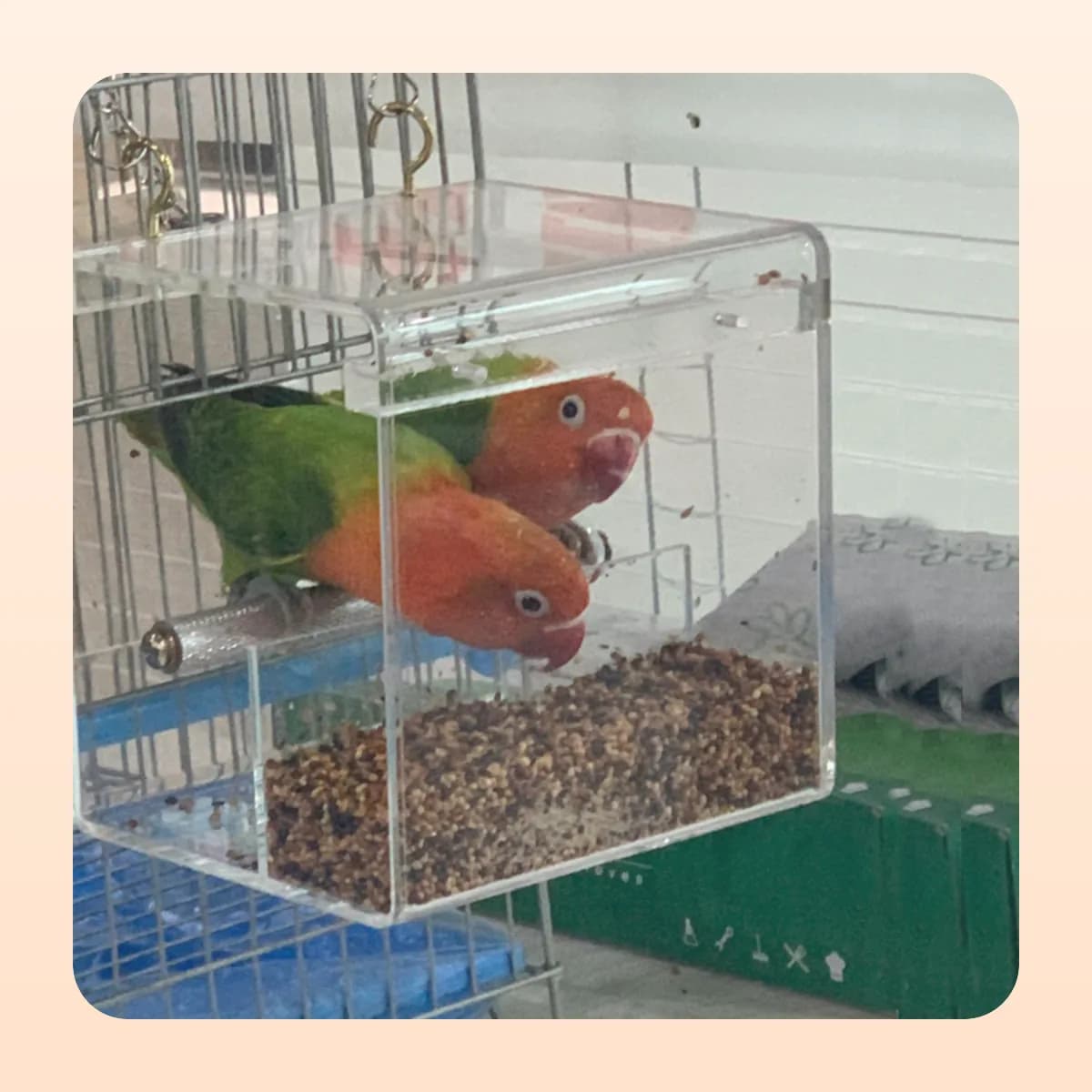
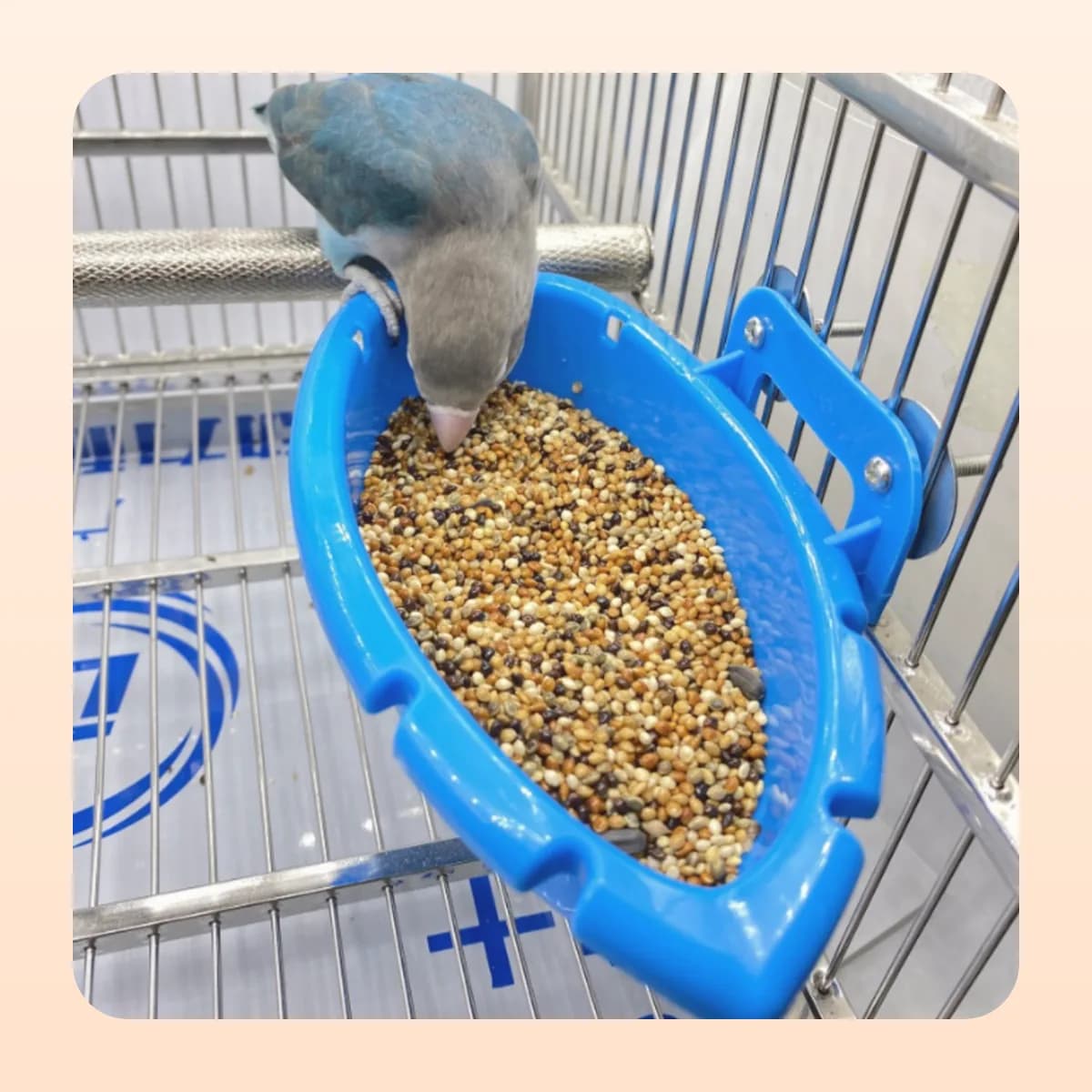
Seed eating birds crack the shell and drop it straight back into the dish. Within a day the bowl can be entirely husk with the seed eaten out from underneath, and it still looks full at a glance. Birds have starved in front of an apparently well stocked dish. Blow gently across the surface each morning and the husks lift away, showing you what is genuinely left.
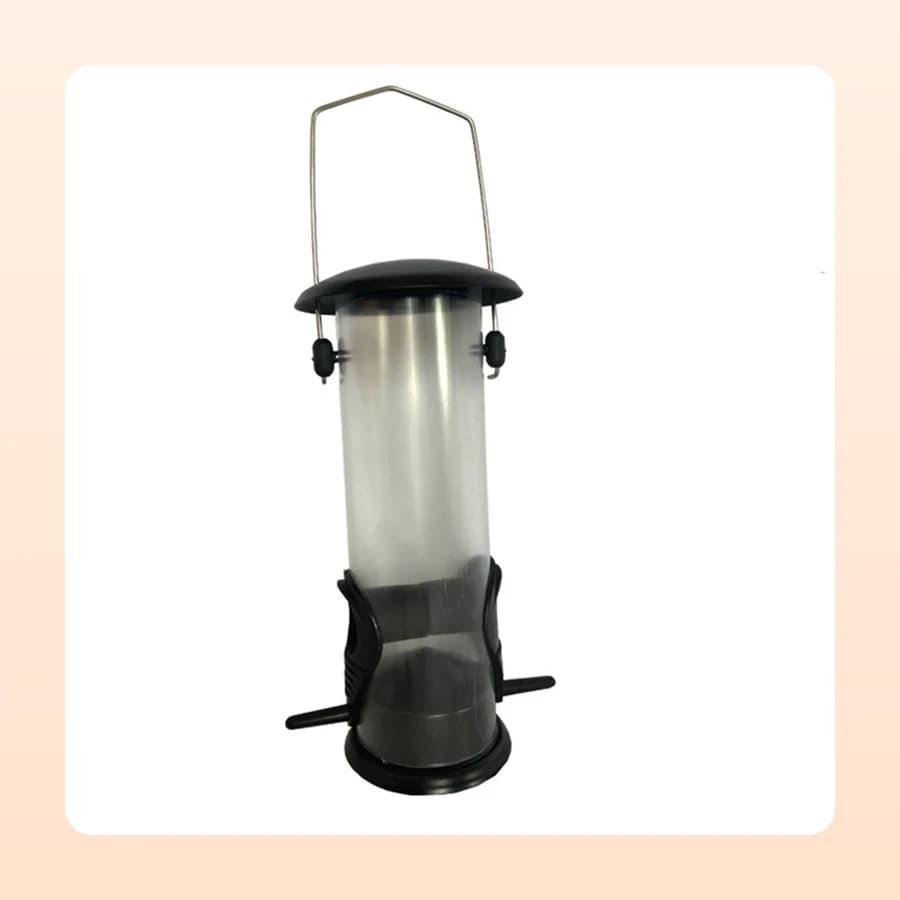
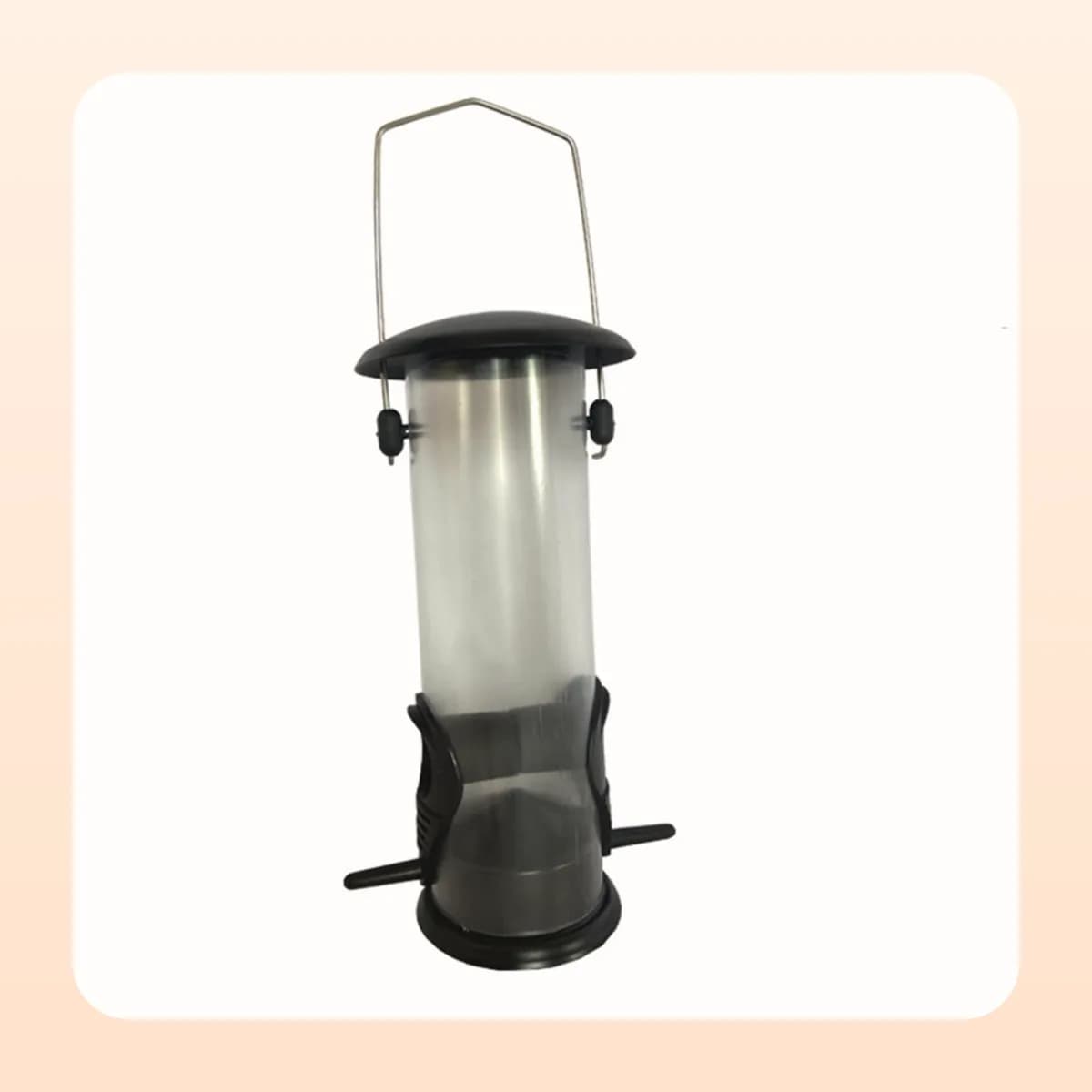
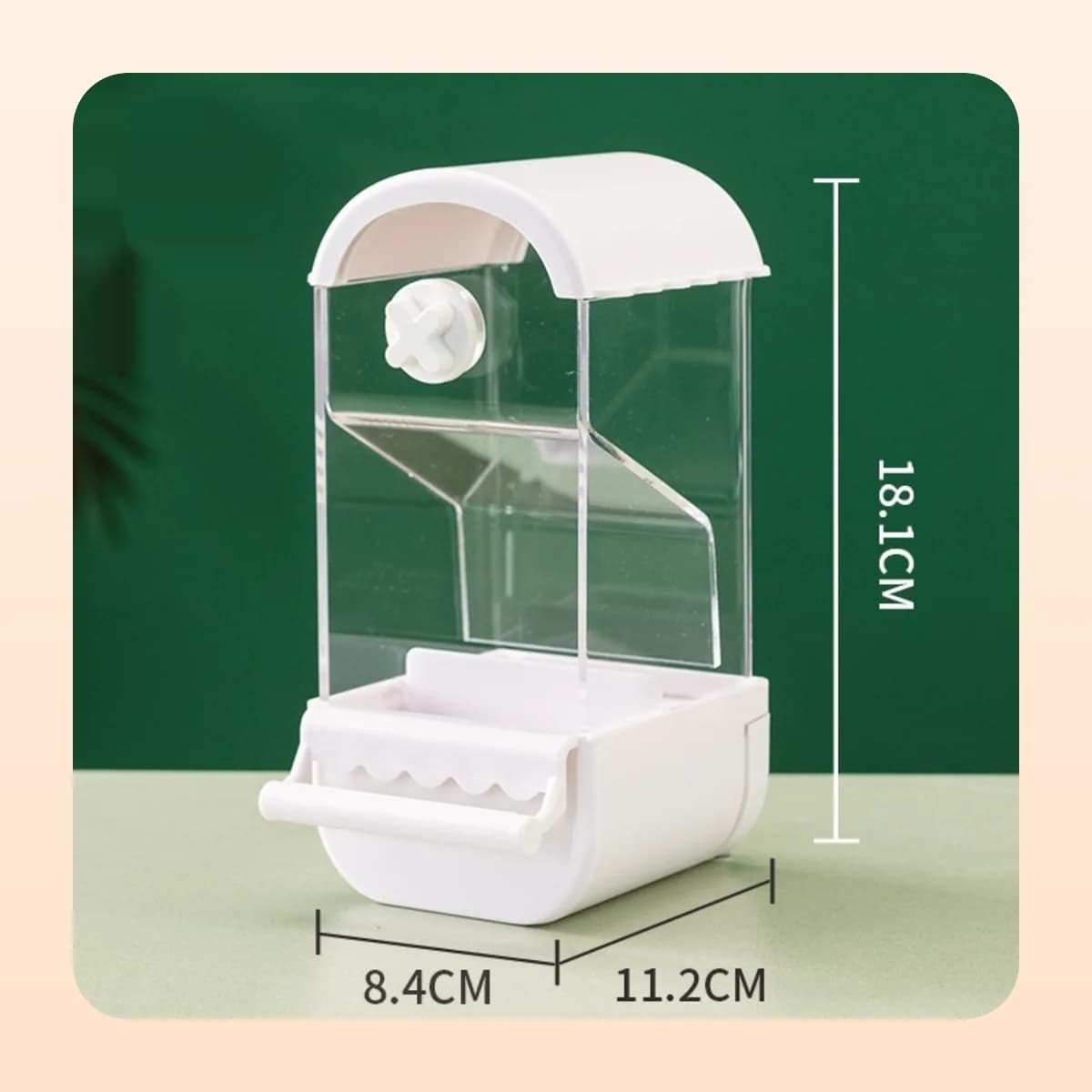
A gravity hopper avoids much of this by releasing seed only as the bird takes it, so the feeding area stays shallow and self clearing. An enclosed feed box goes further and keeps the husk inside the box rather than on your floor, which is worth it in a room where the mess is a constant argument.
Water needs changing daily, and twice on a warm day. A slippery film on the inside of the container is a bacterial biofilm, and it forms faster than most owners expect once the room is warm. Scrub with a bottle brush rather than rinsing, because rinsing moves the film around without removing it.
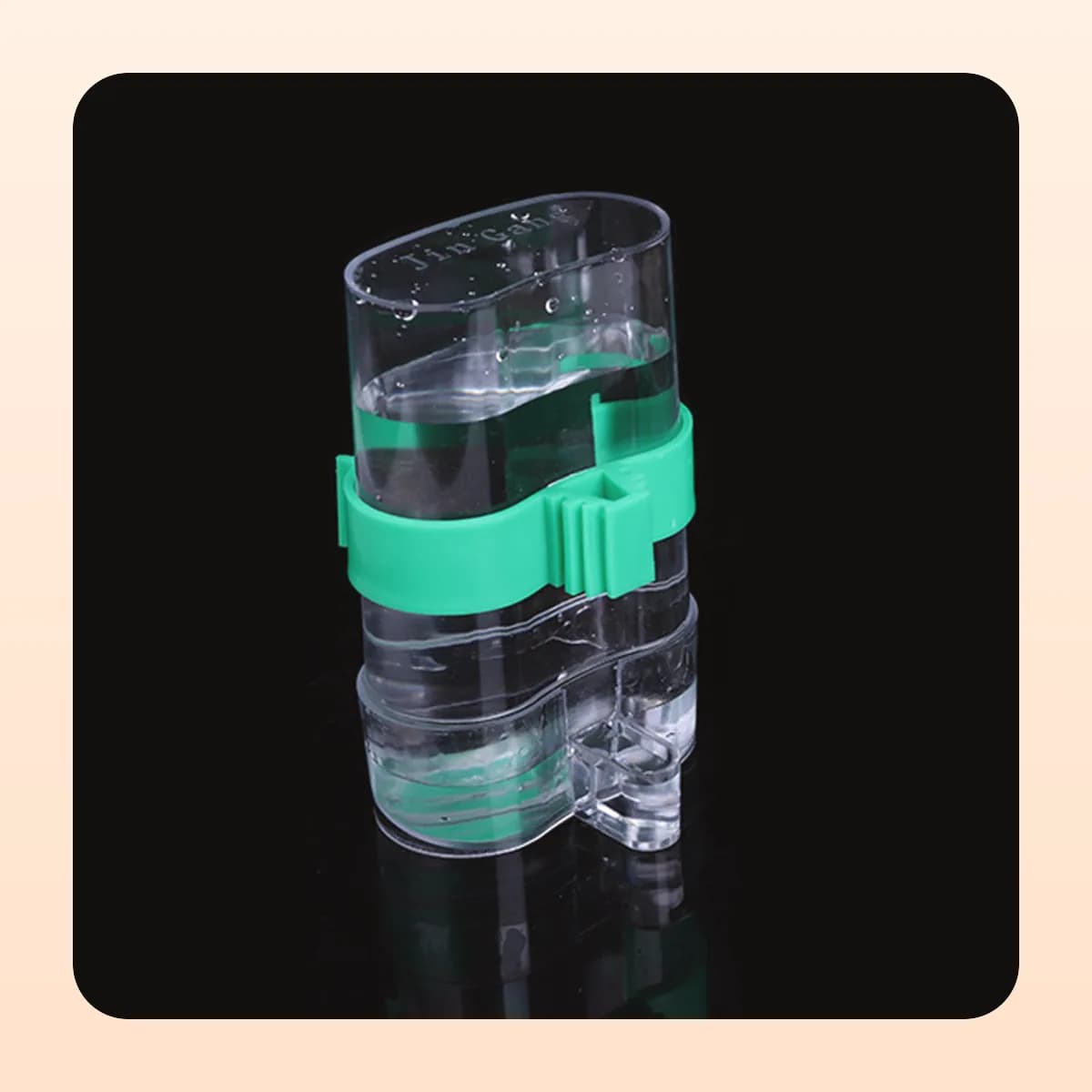
Containers that hold a reserve above the drinking point keep the exposed surface small, which slows how quickly debris lands in it. Being able to read the level from outside also spares you opening the cage on a bird that has just settled, which is worth more than it sounds with a nervous species.
Feather condition and bathing opportunity are closely linked, and a bird that never gets the chance shows it. What matters is that the vessel stays where you put it and that the water is shallow: birds of this size want to stand and flick rather than to swim.
Timing matters as much as the vessel. Early in the day leaves hours for the plumage to dry before the room cools, and nothing should be added to the water at all. A bird that shows no interest in a still surface has often simply not recognised it as water, and moving droplets usually change its mind.
Daily as a minimum, and twice a day in warm weather or if the bird bathes in its drinker. Scrub the container with a brush rather than rinsing, because a rinse leaves the biofilm behind.
It is probably full of empty husks with the seed eaten out beneath. Blow across the surface each morning to clear them and check what is actually left underneath.
An enclosed feed box keeps husks where the bird is eating, and a mesh skirt around the cage catches the rest. A hopper that dispenses gradually also spills far less than an open dish.
A fine mist from a plant sprayer, or a perch in the shower where falling water triggers the instinct. Plenty of birds ignore a still basin and bathe enthusiastically in moving water.
Most pet birds are fed a diet that shortens their lives, and it's the one sold in every pet shop. Here's what to feed instead, and how to make the switch.
7 min read
Last reviewed 30 August 2026