Birds
What to Feed a Pet Bird (Seed Is Not Enough)
Most pet birds are fed a diet that shortens their lives, and it's the one sold in every pet shop. Here's what to feed instead, and how to make the switch.
7 min read
The Kindral shop
Most routine bird care happens without you if the cage is set up for it. A bird given the right surfaces wears its own beak and claws, and one given the chance to bathe keeps its own feathers in order. This section is about providing those opportunities rather than about handling the bird.
5 products
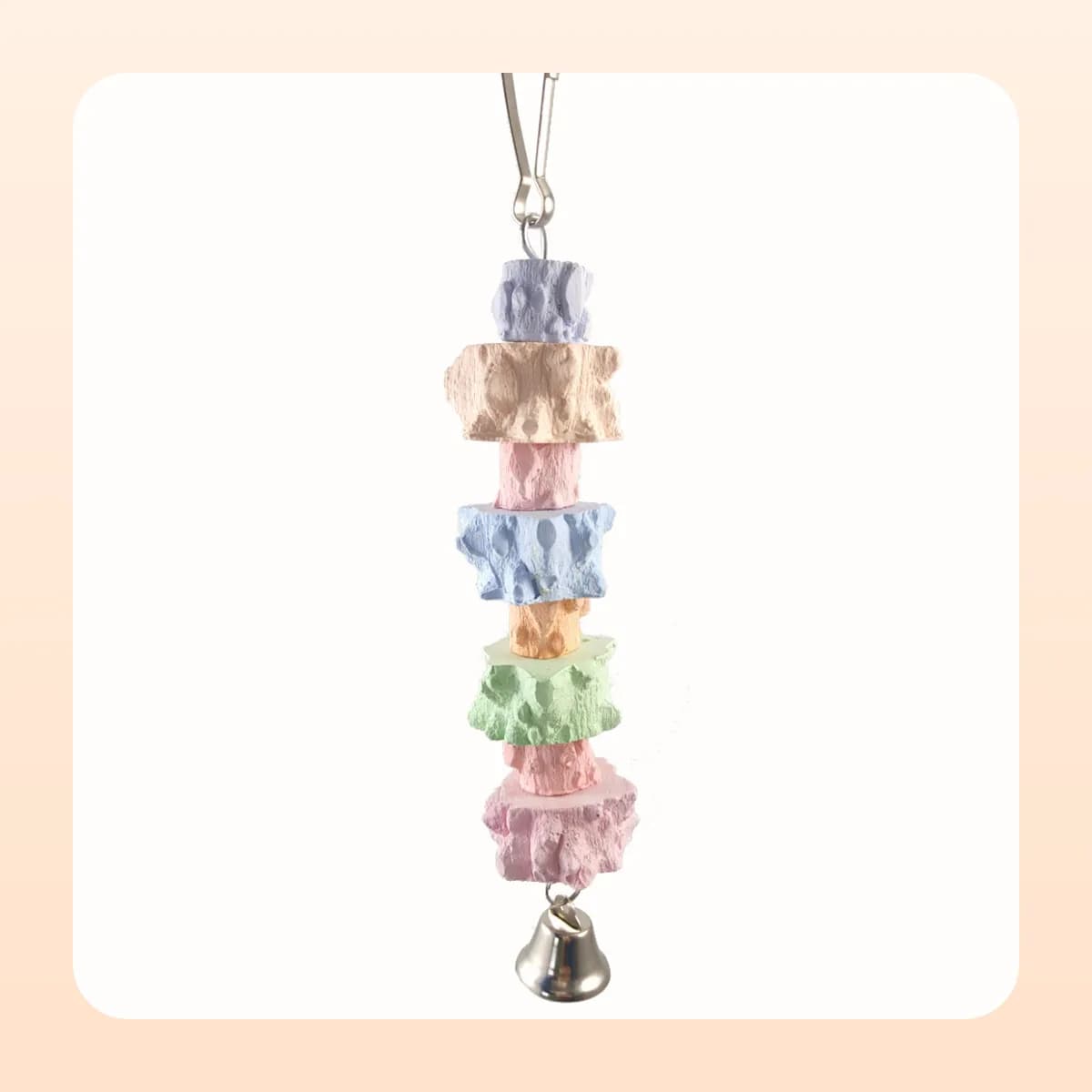

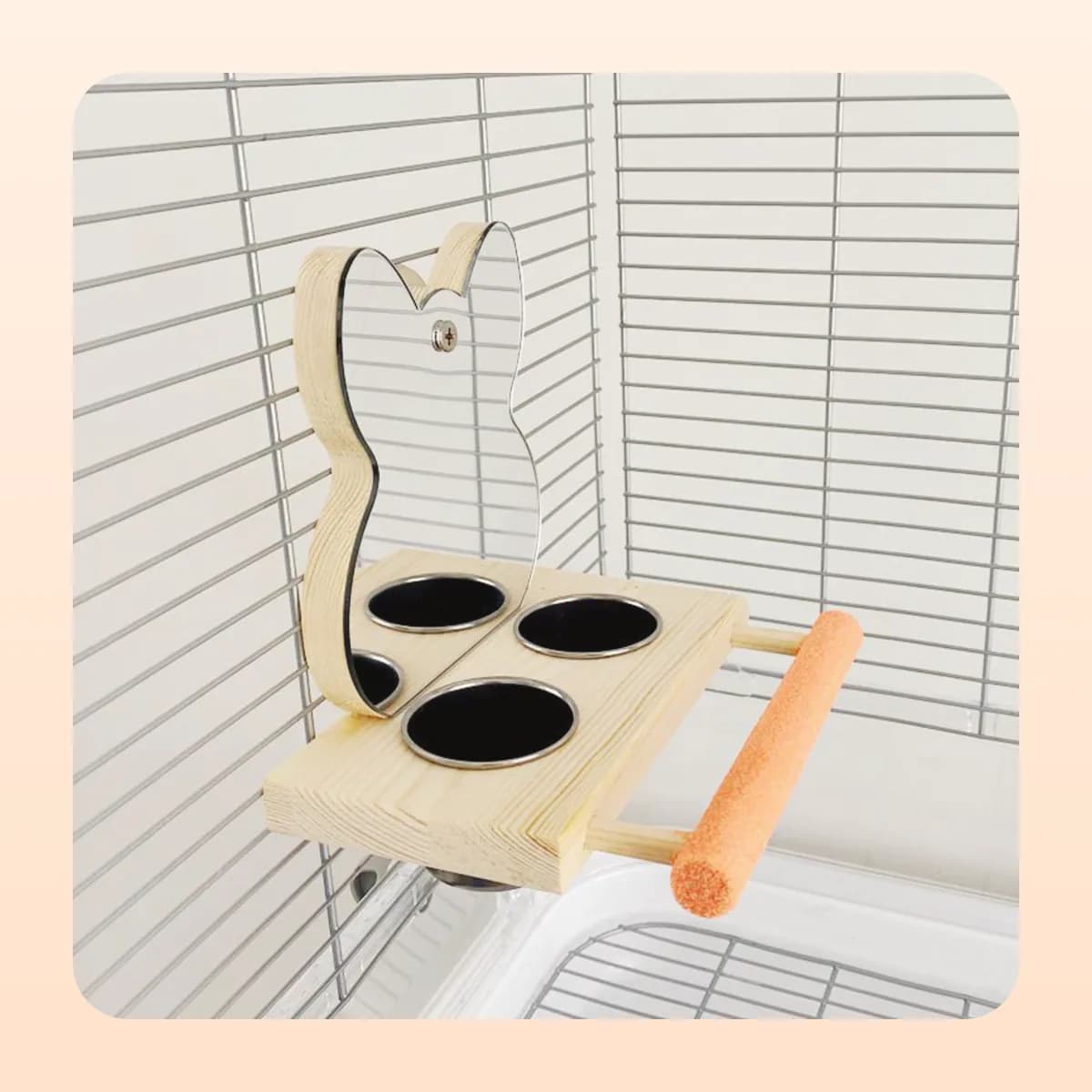
A mineral block or cuttlebone does two jobs at once: it supplies calcium and it gives the bird something hard to work against. Calcium demand rises sharply in a laying hen and in a growing bird, and a deficient hen risks egg binding, which is an emergency. Keep a source available permanently rather than offering it occasionally.
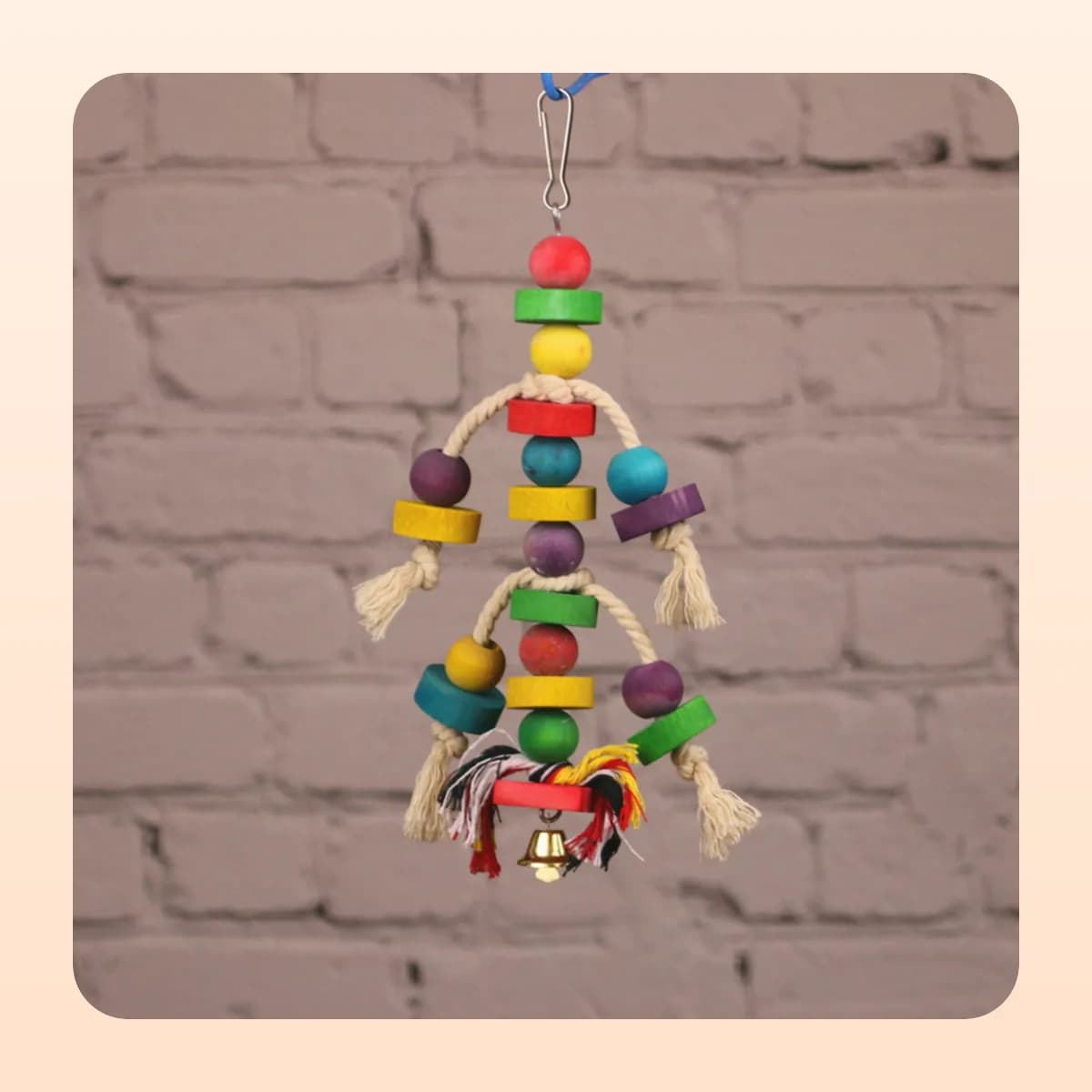
Beaks grow continuously and wear down through use. A bird with hard things to chew keeps its own beak in shape, so an overgrown beak is usually a sign that something is missing from the cage, or occasionally of liver disease or mites. Softwood blocks suit birds that refuse mineral, and are worth trying before you conclude yours will not chew.
Claws wear naturally against varied surfaces, so a bird standing all day on smooth dowels will need clipping and one with a rough perch usually will not. A grooming perch with a textured top wears the tip during ordinary daily use, which is far less stressful than catching and restraining a bird every few weeks.
Place the rough perch low in the cage rather than at the top. Birds sleep on the highest available perch, and standing on an abrasive surface for eight hours a night causes the sole damage you were trying to avoid. Keep the top perch comfortable and let the grooming happen during the day.
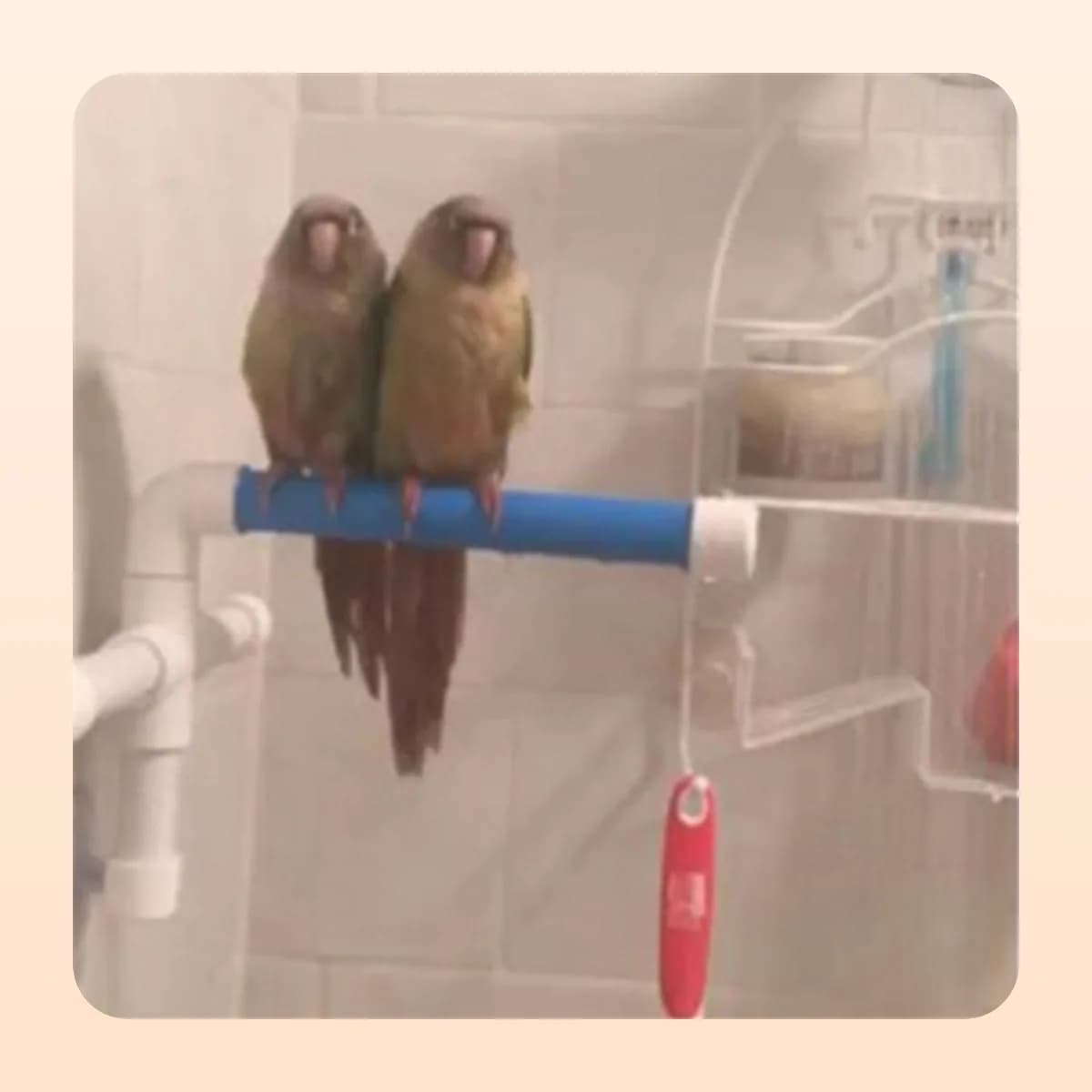
Bathing loosens the dust and old feather sheath that build up between moults, and a bird that bathes regularly looks visibly better for it. Some birds use a basin, plenty ignore one entirely and respond only to moving water. A shower perch or a fine mist from a plant sprayer often works on a bird that has never touched a bath.
Use plain cool water with nothing added, and offer it in the morning so the bird is fully dry before the room cools. Never use a hairdryer: the temperature is hard to judge against skin under feathers, and the nonstick coating on some heating elements releases fumes that are rapidly fatal to birds.
Yes, permanently available. Calcium demand is highest in laying hens and growing birds, and a shortage risks egg binding. A softwood beak block is a reasonable alternative for a bird that refuses mineral.
Ideally you do not have to. A rough grooming perch placed low in the cage wears the tips during normal use. If a nail genuinely needs cutting, a vet or experienced groomer is worth the visit, because the quick bleeds heavily.
Offer the chance daily and let the bird decide. Many bathe several times a week, some daily. Morning is best so the feathers dry well before the evening temperature drops.
No. The heat is hard to judge under feathers, and the nonstick coating on some heating elements gives off fumes that kill birds very quickly. Let the bird dry in a warm draught free room.
Most pet birds are fed a diet that shortens their lives, and it's the one sold in every pet shop. Here's what to feed instead, and how to make the switch.
7 min read
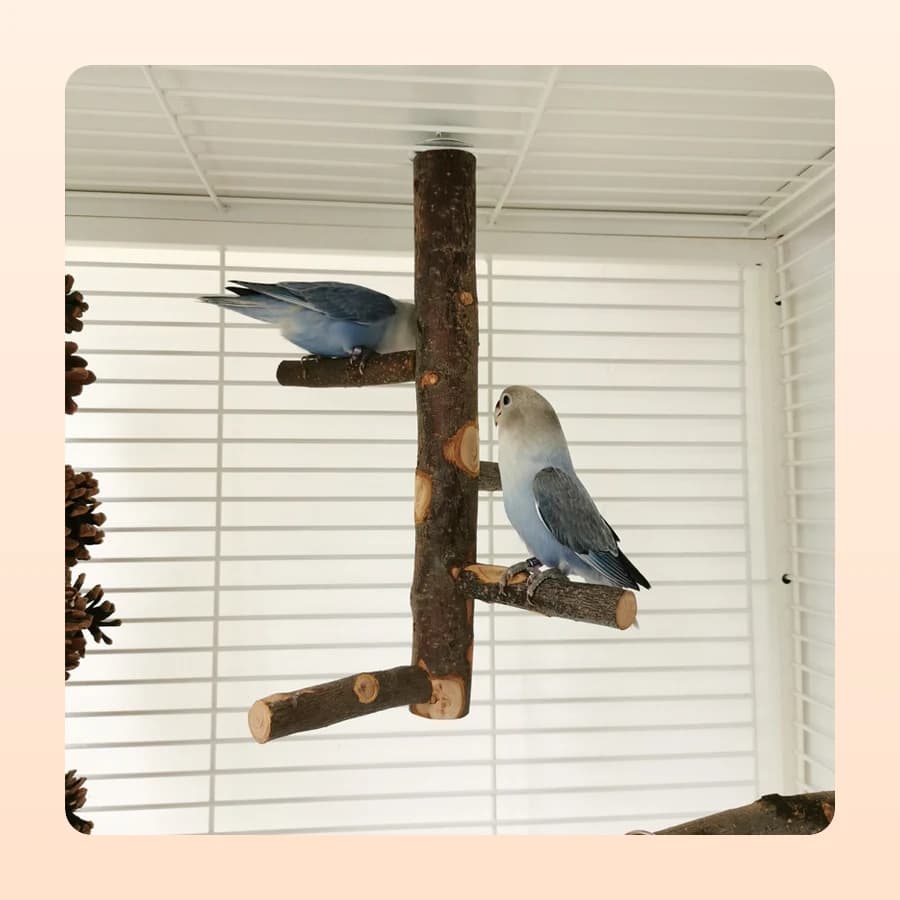
Almost every cage ships with the wrong perches. Replacing them is the cheapest, highest impact change you can make.
6 min read