Wet season
Very useful in this weather
Very good thing. It arrived quickly and the packaging was intact. It's dirty outside now and this device turned out to be very useful.
O***k· Ukraine· 1 December 2025
Muddy paws sorted at the back door.
Half fill it with warm water, put the paw in, twist. The silicone bristles reach between the pads, which is where the mud actually sits and where a towel never gets to.
Taxes calculated at checkout
Colour: Pink
Size: S
Why you'll love it
A British winter means mud on every walk. Cleaning paws at the door is the difference between a clean floor and mopping twice a day.
Wipes drag grit across the pads and cost money every week. Water and silicone bristles lift the same mud without the friction or the repeat spend.
Handling paws daily is how owners spot cracked pads, grass seeds and salt burn before they turn into a limp and a vet bill.
Good fit if
Look elsewhere if
Wiping a paw with a towel cleans the top and the outer edges and does very little for the gaps between the pads, which is where mud actually packs. That is why a dog that has been towelled at the door still leaves marks on a carpet twenty minutes later as the trapped mud works its way out.
Soft bristles in water reach into those gaps. Twisting the cup means the bristles move around the whole paw rather than in one direction, and the water carries the loosened dirt away rather than redistributing it. It takes a few seconds per foot and it does a genuinely better job than a towel.
Frequent bathing strips the natural oils that keep skin healthy and coat weatherproof, and overwashing is a common cause of itchy, flaky skin. Most dogs need a full bath far less often than owners assume, and a muddy walk is not on its own a reason for one.
Cleaning only what is dirty avoids that. The feet come home muddy and the rest of the dog usually does not, so dealing with four paws at the door means the coat is left alone. It is also considerably quicker than running a bath, which is the reason it actually gets done every time rather than occasionally.
Half a cup of lukewarm water is plenty. Filling it too full means water goes over the rim as the paw enters, which is exactly the mess you were trying to avoid. Cold water works but a dog objects to it more, and hot water is unnecessary and unpleasant.
It matters more in winter than mud alone suggests. Road salt and grit are irritants that sting cracked pads and get licked off afterwards, and rinsing the feet after every gritted pavement walk is standard advice. A cup at the door makes that routine rather than a chore.
In the box
How it works
Shop by pet or category to find exactly what your cat or dog needs, no wading through thousands of listings.
Check out securely with card, PayPal or one tap Apple Pay & Google Pay. Free delivery over £45.
Fast, tracked dispatch straight to your door, and a happier pet before you know it.
The details
Tip the dirty water out and rinse it after every use rather than letting it stand. The bristle insert lifts out, which is the part that matters, because silt collects in the base underneath it and that is what starts to smell if it is left.
Every week or so, take the insert out and wash both parts properly with warm soapy water, then let them dry fully before reassembling. Store it upside down so any residual water drains rather than sitting in the bottom, which also stops it becoming a slug hotel if it lives outside the back door.
Loved by real pet parents
Very good thing. It arrived quickly and the packaging was intact. It's dirty outside now and this device turned out to be very useful.
Very nice, excellent quality. I recommend it. My dogs are small and it suited them perfectly.
Dog's paws come out clean with no mud, but wet. One wipe with a towel and off we go in the car.
We walk the fields behind the house every morning and the hallway was taking the brunt of it. Half a cup of warm water, one paw at a time, a twist each way and he comes in clean. It has earned its place on the shelf by the door.
I ordered the medium and for our younger Labrador it is honestly a tight squeeze, she has to spread her toes to get in. It does still clean well once she is in there, and the smaller one uses it happily. If your dog has a broad paw, size up.
The silicone bristles get right between the pads, which is where the mud always packed in when I was using a cloth. Two twists and the water goes brown, so you can see it is doing something.
It deals with ordinary wet mud, no complaints there. We walk on the beach a fair bit though and the sand just sits in the bottom of the cup and grinds around, so I end up rinsing it between paws anyway. Useful in winter, less so in summer.
Bought it after the third time I mopped in one day. Now the cup sits by the door half filled and he offers a paw without being asked. The lid means I can leave the water in it between walks.
I expected a plastic beaker with bristles in it and instead the splash lid actually keeps everything inside while you twist. Nothing to plug in and nothing to charge, which suits me perfectly.
Good questions
About half full with warm water, and a drop of pet safe soap if the mud is caked on. Any more and it overflows when the paw goes in.
Most take a few goes to accept it. Start with a dry cup and a treat, then add water once they are relaxed about the paw going in.
About half a cup of lukewarm water. Filling it further pushes water over the rim as the paw goes in, which creates the mess you were trying to avoid.
Most do after a short introduction. Let the dog investigate the empty cup, reward a paw touching the rim, then add water. Rushing it on a cold wet evening is how dogs learn to avoid it.
The paw should fit inside with room for the bristles to flex around it. If the paw has to be forced in, the cup is too small and the dog will resist it.
Last reviewed 30 August 2026
Advice
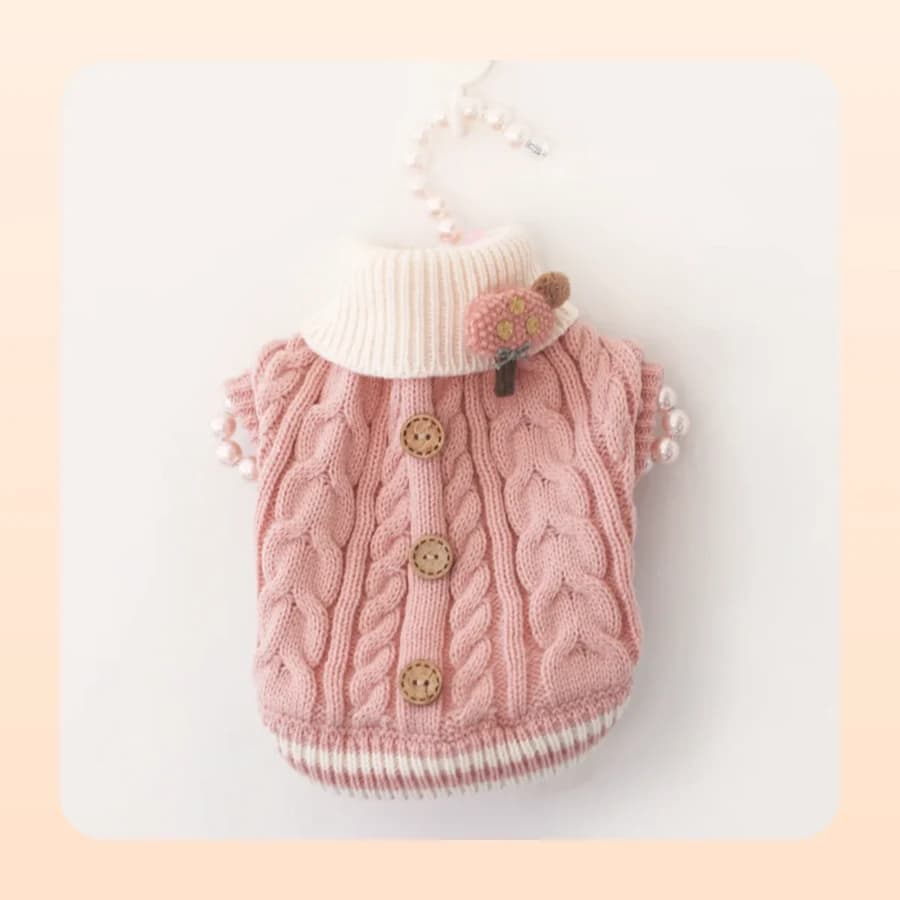
Not a fashion question. Coat type, body fat, size and age decide it, and for some dogs the answer is genuinely yes.
6 min read
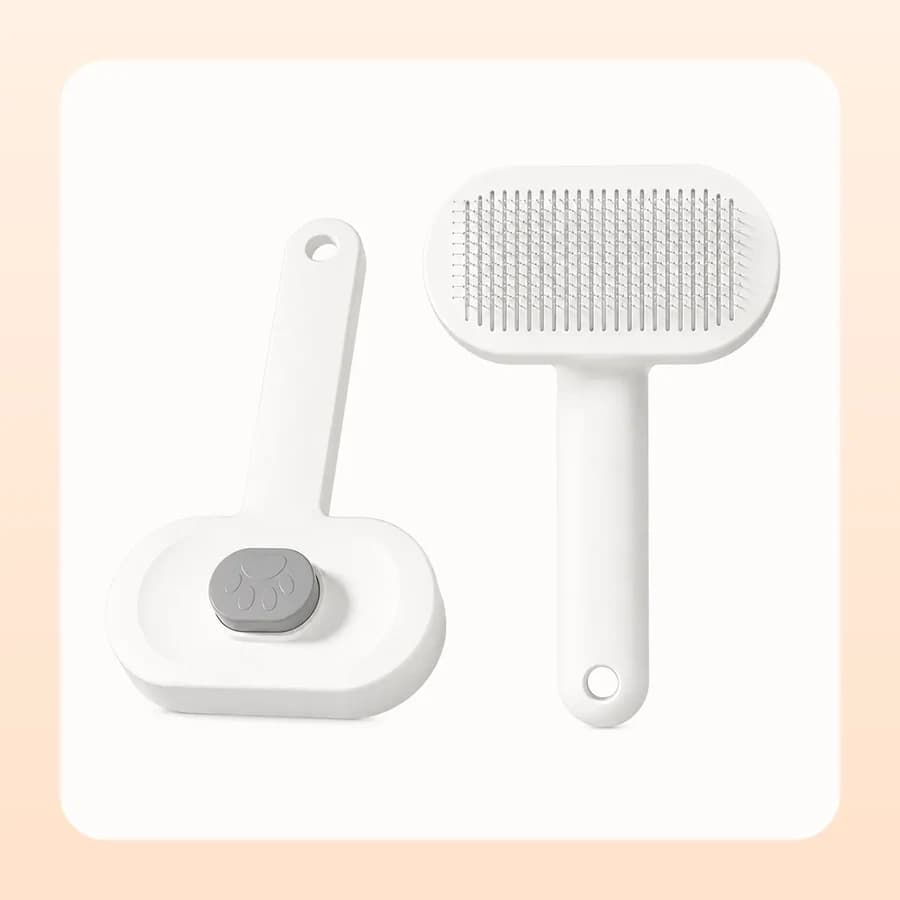
Most nail trim battles start with one bad experience. Here's how to find the quick, take the right amount, and rebuild a dog that already hates it.
7 min read