Litter tracking
Very hygienic
The mat is a great invention, it's very hygienic. Fast shipping, and the seller sorted out a transport issue straight away. 100% trust the seller.
A***r· Spain· 19 June 2021
Catches the litter before it reaches the hallway.
Litter falls through the honeycomb holes and is trapped in the layer underneath rather than sitting on top waiting to be walked further. Tipping it out is the whole clean up.
Taxes calculated at checkout
Size: S
Why you'll love it
Most litter leaves the tray stuck in paws. A mat with somewhere for it to go collects it at the source instead of you sweeping the same route daily.
The waterproof base means an over the edge accident lands on the mat rather than soaking into the floor underneath.
A trapping mat you cannot empty easily gets abandoned. This one unzips along one side and tips straight back into the tray.
Good fit if
Look elsewhere if
A single layer mat catches litter on its surface, where the next cat to walk across picks it up again and carries it further. It slows the spread rather than stopping it, which is why a flat mat outside a tray still ends up with granules across the room.
A honeycomb top changes that by letting granules fall through into a sealed cavity underneath. Once they are through, they are out of reach of paws, so nothing is picked back up. The mat gradually fills, and emptying it means opening the side and tipping it into a bin.
Put it directly in front of the tray, running in the direction the cat leaves, and make it wide enough that the cat cannot step around the edge. A mat narrower than the tray leaves a route past it, and cats do not aim for the middle of a mat out of politeness.
Two or three steps of coverage is the target. Most granules come off within the first couple of paces, so the mat needs to catch those rather than covering the whole room. If your cat leaps out of a high sided tray, allow for where it actually lands rather than where the tray sits.
Softness matters more than it sounds. Cats have sensitive paws and a stiff, sharp edged mat is one plenty will simply refuse to walk on, which defeats the purpose entirely. A softer EVA mat is accepted by most cats immediately.
The waterproof backing covers the other common problem, which is misses and overspill from a cat that stands rather than squats. Urine on the mat stays on the mat rather than reaching the floor beneath, and that is worth having on wood or laminate where a repeated small leak causes real damage.
In the box
How it works
Shop by pet or category to find exactly what your cat or dog needs, no wading through thousands of listings.
Check out securely with card, PayPal or one tap Apple Pay & Google Pay. Free delivery over £45.
Fast, tracked dispatch straight to your door, and a happier pet before you know it.
The details
Open the side seam and tip the trapped litter into a bin, roughly weekly or whenever it feels heavy. If you leave it much longer the cavity fills and granules start sitting on the surface again, which is usually the first sign rather than any obvious weight.
Rinse it under a tap or hose it outside every few weeks, and stand it on edge to dry completely before it goes back. Do not machine wash it: the two bonded layers are not built for a drum and can separate. If it has been urinated on, an enzyme cleaner is the right product, since ordinary detergent leaves the odour compounds behind.
Loved by real pet parents
The mat is a great invention, it's very hygienic. Fast shipping, and the seller sorted out a transport issue straight away. 100% trust the seller.
I bought two mats for two litter trays and they're doing great. Only 20 to 30% of the litter comes out, the rest stays in the mats. They open with the velcro on both sides.
The goods are the same as the description. Seller recommended.
Litter drops through the top layer and vanishes, so the mat looks clean even when there is a good handful sitting underneath it. We used to have a trail of grit running from the tray to the kitchen door and that trail has basically gone.
The bit that matters is emptying it, and opening the side and tipping the lot straight back into the tray takes about ten seconds. Our old flat mat meant lifting it carefully with two hands and losing half the litter on the way. This one I do every other morning without thinking about it.
Our fussy one would not set foot on it for the first week and jumped over it to reach the tray, which rather defeated the point. She uses it now and the litter on the floor has dropped right off. It is softer underfoot than I expected for something with holes in it, and that is probably what won her round.
Our older cat does not always aim inside the tray and the sealed backing has meant nothing has reached the floor underneath. I lift it once a week, rinse it in the bath and stand it up to dry. No warping at all so far.
I ordered on a guess and the size I chose is a bit narrow for our tray, so litter still escapes at the left edge where the mat stops short. Entirely my error and there are other sizes, but do check first. What it does cover, it covers properly.
We have the tray in the hall and the giveaway was always standing on litter barefoot on the way to the kitchen. That has stopped. The honeycomb layer takes it off her paws right at the tray, which is where it needs to happen.
Good questions
Pick one wider than the tray so your cat lands on the mat rather than beside it. Extending it along their usual exit route matters more than total area.
Most accept it immediately. If yours hesitates, it is usually because the mat moved underfoot. Settle it flat and give it a couple of days.
Wide enough that the cat cannot step around the edge, and deep enough to cover two or three paces out of the tray. Most granules come off within the first couple of steps.
Most cats accept a soft EVA mat straight away. If yours hesitates, leave the previous arrangement accessible for a few days rather than forcing it, since a cat that will not cross will go elsewhere.
No. The bonded layers can separate in a drum. Tip it out, rinse or hose it, and stand it on edge to dry fully before putting it back.
Last reviewed 30 August 2026
Advice
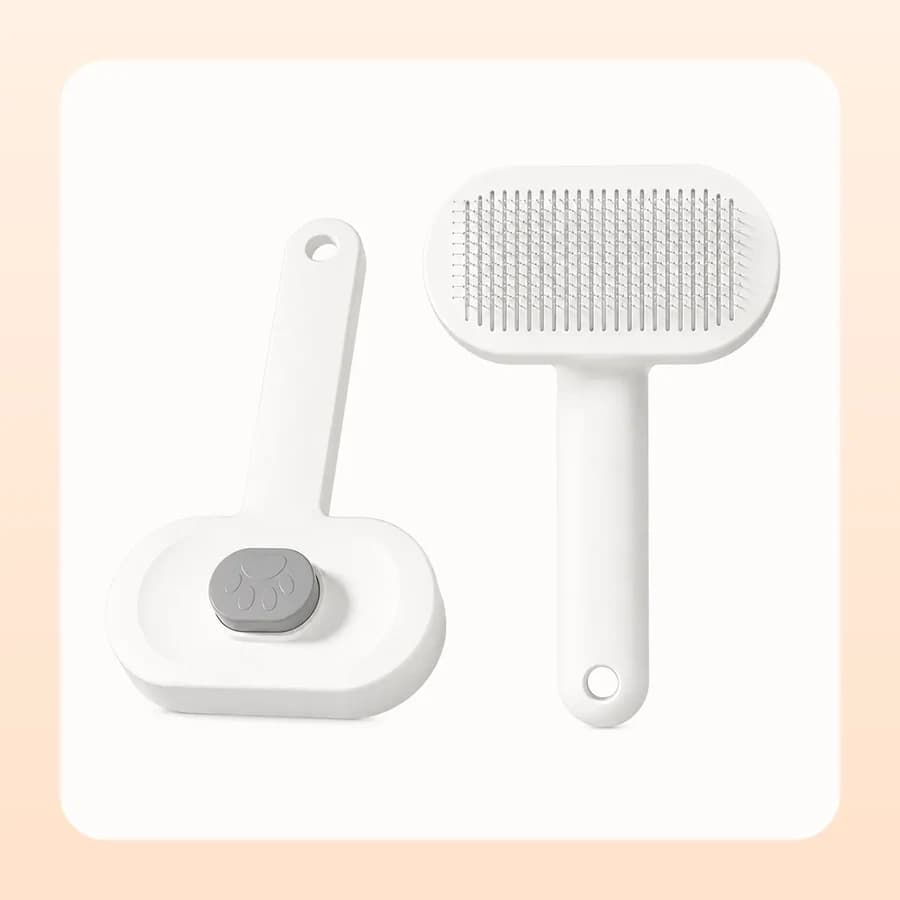
Sixty seconds a day beats twenty minutes a week, and where you start on the body decides how the session goes.
6 min read
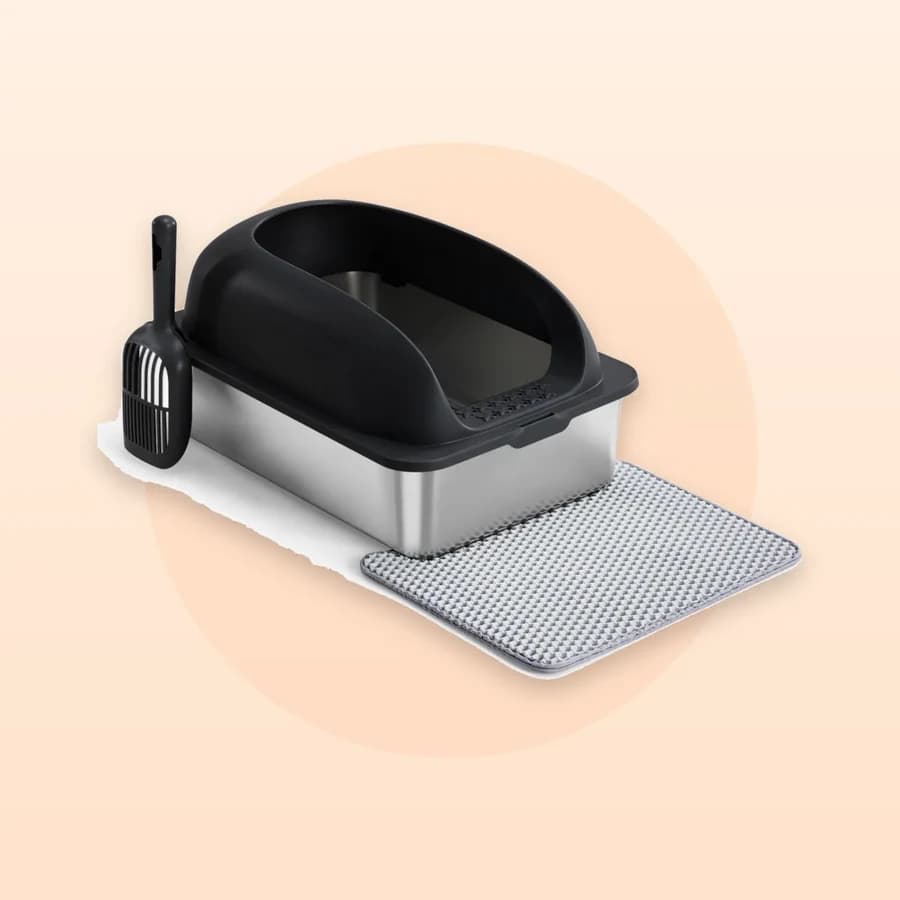
Scoop twice a day, strip the tray weekly or fortnightly depending on litter type. If it smells, the schedule isn't your problem.
7 min read